Dublin Adventures: Your Essential Travel Guide to Ireland’s Capital, Culture, and Iconic Sights
Dublin, the vibrant capital of Ireland, is a city steeped in history, culture, and a lively spirit that draws visitors from all over the globe. Whether you’re wandering through its historic streets, savoring traditional Irish cuisine, or immersing yourself in its rich arts scene, Dublin promises an adventure like no other. This essential travel guide will help you navigate the city’s key neighborhoods, landmarks, cultural attractions, dining and nightlife spots, and hidden gems, ensuring you make the most of your Dublin adventure.
Key Neighborhoods to Explore
Dublin is a city of neighborhoods, each with its own unique character. Here are some must-visit areas:
- Temple Bar: Known as Dublin’s cultural quarter, Temple Bar is a hub for nightlife, art, and entertainment. Enjoy traditional pubs, street performances, and vibrant markets.
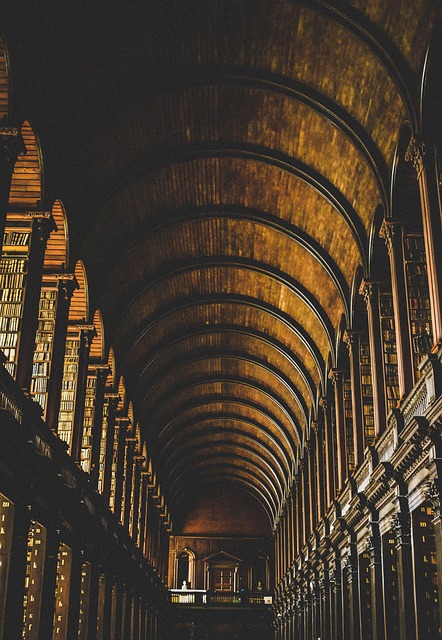
- Trinity College and Grafton Street: Home to Ireland’s oldest university, Trinity College boasts stunning architecture and the famous Book of Kells. Grafton Street is a bustling shopping area filled with street performers.
- Smithfield: This up-and-coming neighborhood is known for its trendy cafes, restaurants, and the iconic Jameson Distillery. It’s a great spot to experience Dublin’s modern vibe.
- Docklands: A blend of modernity and history, the Docklands area features contemporary architecture, the iconic Samuel Beckett Bridge, and the bustling CHQ Building.
Iconic Landmarks and Cultural Attractions
Dublin is home to numerous landmarks and cultural attractions that showcase its rich heritage. Here are some highlights:
- Dublin Castle: A historic castle dating back to the 13th century, Dublin Castle is a must-visit for its stunning architecture and beautiful gardens.
- St. Patrick’s Cathedral: Ireland’s largest cathedral, St. Patrick’s is a masterpiece of Gothic architecture and a pivotal part of the country’s history.
- The National Museum of Ireland: With multiple branches, this museum showcases Ireland’s history, art, and archaeology. Don’t miss the Decorative Arts & History branch.
- The Abbey Theatre: Known for its role in the Irish literary revival, this theater is a great place to catch a play and experience Irish culture firsthand.
Dining and Nightlife Spots
Dublin’s culinary scene is diverse, offering everything from traditional Irish fare to international cuisine. Here are some top spots to consider:
- Traditional Irish Pubs: Experience authentic Irish dishes at pubs like The Brazen Head, the oldest pub in Dublin, or O’Neill’s, known for its hearty meals.
- Modern Irish Cuisine: For a contemporary twist, head to restaurants like Chapter One or The Woollen Mills, where you can enjoy locally sourced ingredients.
- Nightlife: Temple Bar is the epicenter of Dublin’s nightlife, with countless pubs and live music venues. Don’t miss out on a traditional Irish music session!
Hidden Gems
Beyond the well-trodden tourist paths, Dublin has several hidden gems waiting to be discovered:
- Marsh’s Library: A beautiful 18th-century library filled with rare books and manuscripts, it’s a serene escape from the city’s hustle.
- The Little Museum of Dublin: A charming museum that tells the story of Dublin through quirky exhibits and personal stories.
- St. Michan’s Church: Famous for its crypts and mummified remains, this church offers a unique glimpse into Dublin’s past.
Practical Tips for Your Dublin Adventure
Transportation
Dublin is well-connected by public transport, including buses, trams (LUAS), and trains (DART). Consider purchasing a Leap Card for convenient travel on public transport. The city is also very walkable, making it easy to explore on foot.
Accommodation for Various Budgets
Dublin offers a range of accommodation options:
- Luxury: The Shelbourne Dublin and The Merrion Hotel are excellent choices for a lavish stay.
- Mid-Range: The Alex and The Dean are popular options that provide comfort without breaking the bank.
- Budget: For budget travelers, consider hostels like Generator Dublin or affordable hotels like The Abbey Hotel.
Best Times to Visit
The best time to visit Dublin is from May to September when the weather is mild, and numerous festivals take place. However, if you prefer fewer crowds, consider visiting in the shoulder seasons of April or October.
Seasonal Events
Dublin hosts a variety of events throughout the year, including:
- Dublin Literary Festival (May): Celebrating Dublin’s literary heritage with readings and discussions.
- Culture Night (September): A night of free cultural events across the city.
- St. Patrick’s Festival (March): A lively celebration of Irish culture with parades, music, and festivities.
Local Customs and Safety Advice
Irish people are known for their friendliness and hospitality. It’s common to greet strangers with a smile or a nod. As for safety, Dublin is generally safe for tourists, but be mindful of your belongings, especially in crowded areas.
Nearby Day Trip Ideas
If you have extra time, consider these nearby day trips:
- Howth: A picturesque fishing village just a short train ride away, perfect for coastal walks and seafood dining.
- Glendalough: A stunning valley known for its ancient monastic site and beautiful walking trails.
- Newgrange: A UNESCO World Heritage site, this prehistoric monument is older than Stonehenge and offers fascinating insights into Ireland’s ancient past.
Conclusion
Dublin is a city that beautifully blends the old with the new, offering a rich tapestry of experiences for every traveler. From its iconic landmarks and cultural attractions to its vibrant dining and nightlife scenes, there’s something for everyone. With this travel guide in hand, you’re well-equipped to embark on your Dublin adventure and create unforgettable memories in Ireland’s capital.