
Dublin Uncovered: Your Essential Travel Guide to the City’s Historic Sites and Vibrant Life
Dublin, the capital of Ireland, is a city that seamlessly blends rich history with a lively contemporary culture. Whether you’re wandering through its cobbled streets, enjoying a pint in a traditional pub, or exploring its world-class museums, Dublin has something for everyone. This comprehensive travel guide will help you navigate the city’s historic sites, vibrant neighborhoods, and hidden gems, ensuring a memorable visit.
Key Neighborhoods to Explore
Dublin is made up of several distinct neighborhoods, each offering its own unique charm and attractions. Here are some must-visit areas:
- Temple Bar: Known as the cultural quarter, Temple Bar is famous for its lively atmosphere, cobblestone streets, and vibrant nightlife. It’s home to numerous pubs, galleries, and restaurants.
- Trinity College and the Book of Kells: This historic university is a must-see for its stunning architecture and the famous Book of Kells, an illuminated manuscript dating back to the 9th century.
- Docklands: A modern area of Dublin that showcases contemporary architecture, the Docklands is also home to the EPIC The Irish Emigration Museum, which tells the story of the Irish diaspora.
- Smithfield: Once an industrial area, Smithfield has transformed into a trendy neighborhood with a mix of traditional and modern eateries, as well as the iconic Jameson Distillery.
Historic Landmarks and Cultural Attractions
Dublin is rich in history, and its landmarks reflect this heritage. Here are some key sites to include in your itinerary:
- Dublin Castle: A symbol of British rule until 1922, Dublin Castle is now a government complex. Explore its stunning gardens and historic state apartments.
- St. Patrick’s Cathedral: The largest cathedral in Ireland, St. Patrick’s is an architectural marvel and a site of significant historical importance.
- Kilmainham Gaol: This former prison played a key role in Irish history. Guided tours provide insight into the lives of notable prisoners and the struggle for independence.
- The National Museum of Ireland: With multiple branches, the museum showcases Irish history, archaeology, and decorative arts. Admission is free, making it a great budget-friendly option.
Dining and Nightlife Spots
Dublin’s culinary scene is as vibrant as its nightlife. Here are some top recommendations:
- Traditional Irish Pubs: Experience authentic Irish culture at pubs like The Brazen Head, which claims to be Ireland’s oldest pub, or The Temple Bar Pub for lively music and atmosphere.
- Modern Irish Cuisine: For a contemporary twist on traditional dishes, visit The Woollen Mills or Chapter One, both known for their locally sourced ingredients.
- Cafés and Bakeries: Don’t miss out on a visit to Bewley’s Grafton Street for a classic Irish breakfast and delicious pastries.
- Nightlife: For a fun night out, check out the live music scene at Whelan’s or enjoy cocktails at Peruke & Periwig, a stylish bar with a unique ambiance.
Hidden Gems
While Dublin has many famous attractions, it also boasts lesser-known treasures:
- Marsh’s Library: Tucked away near St. Patrick’s Cathedral, this library is a hidden gem filled with rare books and a charming atmosphere.
- The Little Museum of Dublin: A quirky museum that tells the story of Dublin in the 20th century through personal artifacts and exhibits.
- St. Michan’s Church: Famous for its crypts and mummified remains, this church offers an eerie yet fascinating glimpse into Dublin’s past.
Practical Tips for Your Visit
Transportation
Dublin is a walkable city, but public transport options are available. Consider using:
- Dublin Bus: An extensive bus network that covers the city and suburbs.
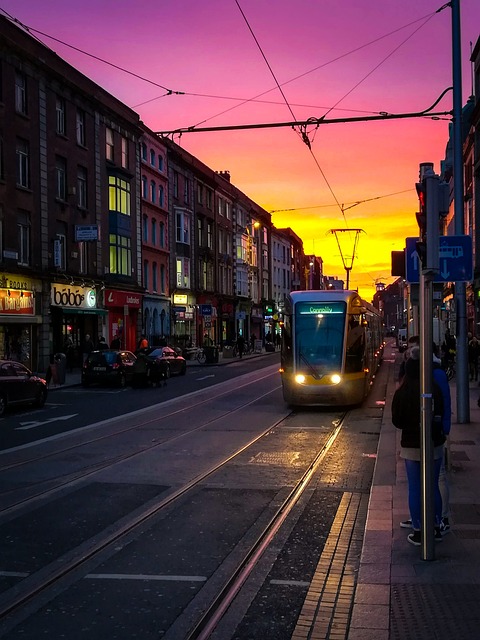
- Luas: The light rail system that connects key areas of Dublin.
- Bike Rentals: Dublin has a bike-sharing program called Dublinbikes, making it easy to explore the city on two wheels.
Accommodation for Various Budgets
Dublin offers a range of accommodation options:
- Budget: Consider hostels like Generator Dublin or budget hotels such as The Abbey Hotel.
- Mid-Range: The Alex Dublin and The Dean Dublin provide comfortable stays with excellent amenities.
- Luxury: Treat yourself to a stay at The Shelbourne Dublin or The Merrion Hotel for a lavish experience.
Best Times to Visit
The best times to visit Dublin are during the spring (March to May) and fall (September to November) when the weather is mild, and tourist crowds are smaller. Summer (June to August) is peak season, with numerous festivals and events but also larger crowds.
Seasonal Events
Dublin hosts several annual events worth planning your visit around:
- Dublin Literary Festival: Celebrating the city’s literary heritage with readings and discussions.
- St. Patrick’s Day: A lively celebration with parades, music, and festivities throughout the city.
Local Customs and Safety Advice
Irish people are known for their friendliness. A simple “hello” or “slán” (goodbye) goes a long way. As for safety, Dublin is generally safe, but be aware of your surroundings and keep an eye on your belongings, especially in crowded areas.
Nearby Day Trip Ideas
If you have extra time, consider these day trips from Dublin:
- Howth: A charming fishing village just a short train ride away, known for its stunning coastal views and seafood restaurants.
- Glendalough: A picturesque valley in the Wicklow Mountains, famous for its ancient monastic site and beautiful hiking trails.
- Newgrange: A prehistoric monument older than Stonehenge, located in County Meath, offering guided tours and fascinating history.
With its rich history, vibrant culture, and friendly locals, Dublin is a city that welcomes visitors with open arms. Whether you’re exploring its historic sites, indulging in its culinary delights, or enjoying its lively nightlife, your time in Dublin will undoubtedly be unforgettable. Happy travels!


